
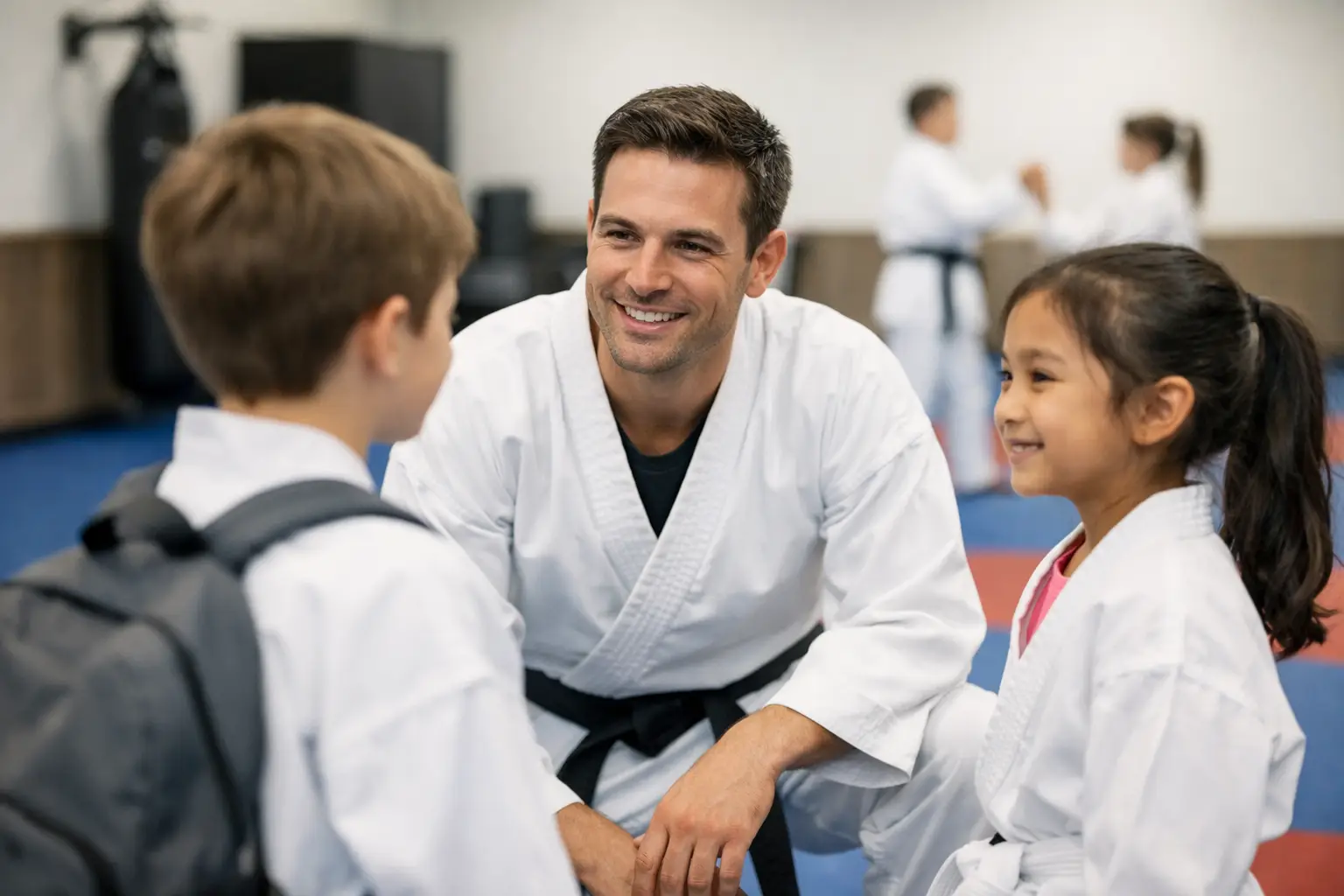
The hours after school can shape a child’s habits faster than most parents expect. Those few hours can become a window for growth, confidence, and positive structure – or a daily scramble filled with screens, inconsistent routines, and stress. That is why a martial arts after school program stands out for so many families. It does more than cover the gap between school dismissal and pickup. It gives children a place to build discipline, self-control, and leadership in an environment designed to help them thrive.
For many parents, the real question is not simply, “Who can watch my child after school?” It is, “Where will my child be supported, challenged, and encouraged to become stronger in character?” That is where martial arts can offer something different from a standard childcare model.
What makes a martial arts after school program different
A strong after school program should provide supervision, safety, and reliability. A strong martial arts after school program should do all of that while also helping children develop skills they carry into the classroom, the home, and every other part of life.
Martial arts brings structure to the afternoon. Children transition from school into a clear routine with adult guidance, positive expectations, and purposeful activity. Instead of drifting through the day, they learn how to reset, focus, and prepare themselves for training. That routine matters. Kids often respond well when they know what is expected and when they feel part of a program that holds them to a higher standard.
Just as important, martial arts training gives children a healthy outlet. After a long school day, many students need movement, direction, and encouragement. They do not need more chaos. They need an environment where energy is guided productively and where progress is tied to effort, respect, and consistency.
More than convenience for parents
Parents often begin their search because they need a practical solution. Work schedules, commuting, and family responsibilities make after school care necessary. There is nothing wrong with starting there. In fact, dependable scheduling support is a major benefit.
But the best programs do not stop at convenience. They help families feel like the after school hours are being used well. A child who is supervised is one thing. A child who is supervised while learning confidence, respect, and personal responsibility is something much more valuable.
That is why this kind of program can feel like a win on two levels. Parents gain peace of mind knowing their children are in a safe, structured setting. Children gain mentorship and a sense of progress that can strengthen behavior and attitude over time.
The life skills children build through martial arts
Parents are often drawn to martial arts because they want their child to become stronger, more focused, or more confident. Those goals are real, and they are often exactly what students begin to develop. Still, the biggest changes are not always flashy. They often show up in the small everyday moments.
A child starts listening the first time instead of the third. A student who was once hesitant begins speaking with more confidence. Homework battles become less intense because routines are more established. A child learns how to lose with humility, win with respect, and keep going when something feels difficult.
That is the power of martial arts done the right way. Training can teach physical techniques, but its deeper value is in the character it helps shape. Children learn to manage frustration, stay coachable, and understand that improvement comes from effort. Those are leadership lessons, not just athletic ones.
Why structure matters after the school day
Children are not at their best when every afternoon feels different. Some flexibility is part of family life, but too much inconsistency can leave kids unfocused, restless, or resistant. A structured program creates rhythm.
That rhythm can be especially helpful for elementary and middle school students. After spending hours following classroom expectations, they still need guidance as they transition into the afternoon. The right environment helps them move from academic demands into active growth without losing momentum.
A martial arts setting is naturally built for this. Students line up, pay attention, follow directions, practice with intention, and learn to respect both instructors and peers. These habits do not stay on the mat. They often carry into school performance, home routines, and social behavior.
Is every child a good fit for a martial arts after school program?
In many cases, yes – but the reasons can vary. Some children are naturally energetic and benefit from physical activity paired with discipline. Others are quiet or cautious and benefit from a confidence-building environment that helps them come out of their shell. Some need stronger boundaries. Others need more belief in themselves.
That said, not every program fits every child equally well. Age matters. Personality matters. Program culture matters. A child who thrives in a warm but structured environment may struggle in a setting that is too harsh, too crowded, or too focused on performance over development.
Parents should look beyond the words “martial arts” and ask what kind of experience is really being offered. Is the program built around mentorship and growth? Are instructors teaching respect and self-control, or only focusing on physical drills? Are children encouraged in a way that is firm, positive, and age-appropriate? Those details make a real difference.
What parents should look for in a quality program
A great program should feel organized from the moment you walk in. Families should be able to see that expectations are clear, instructors are engaged, and children are being guided with both care and consistency.
Safety is a non-negotiable. So is supervision. Parents should feel confident that their child is not just present, but known. In the best programs, instructors notice attitude shifts, celebrate progress, and help students work through challenges. That personal attention is part of what turns an activity into a meaningful developmental experience.
It also helps to look for a program that aligns with your family’s goals. Some parents want a stronger focus on discipline and behavior. Others want support with confidence, social skills, or leadership. The strongest academies understand that martial arts is not just about keeping kids busy. It is about helping them grow into capable, respectful young people.
How a family-centered academy adds even more value
When an academy truly sees itself as part of the community, families feel it. There is a difference between dropping a child off at a program and becoming part of a place that cares about their long-term growth.
A family-centered martial arts academy understands that parents are not only looking for activity. They are looking for guidance, consistency, and trusted support. They want to know their child is being challenged, encouraged, and held accountable by people who believe in their potential.
That is one reason families in Homestead and nearby communities often look for programs that combine skill-building with character development. At TUFF Martial Arts Academy, that family-first philosophy matters because the goal is bigger than teaching punches and kicks. The goal is to help students become focused, confident leaders while giving parents a dependable, high-quality after school solution they can feel good about.
The long-term impact goes beyond one school year
Some parents enroll their child for immediate reasons – scheduling, supervision, or a need for more structure. Then, months later, they begin noticing deeper changes. Their child stands taller. They show more self-control. They handle correction better. They start believing they can do hard things.
That kind of growth does not happen overnight, and it is not identical for every student. Some children show quick changes. Others build slowly and steadily. What matters is that they are in an environment where positive habits are reinforced again and again.
Over time, a martial arts after school program can become part of a much bigger journey. It can be the place where a child learns to lead, to persevere, and to respect themselves enough to keep improving. For parents, that is more than a convenient afternoon plan. It is an investment in the person their child is becoming.
If you are weighing your options for after school care, look closely at what the program is building, not just what it is filling. The right environment can help your child finish the school day stronger than they started it.